BADASS
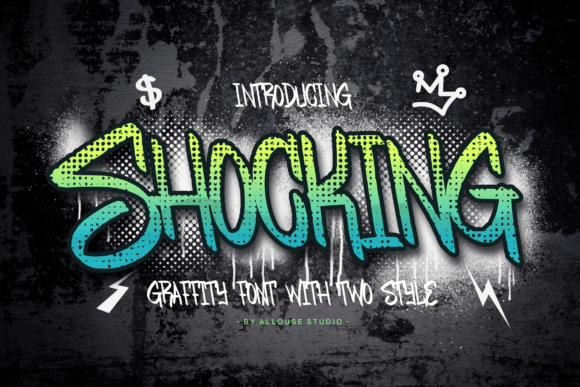
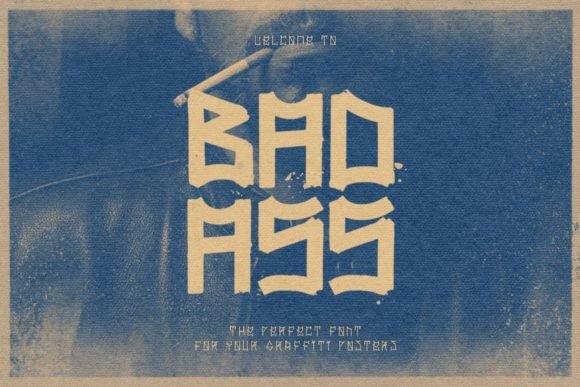
Badass is a bold, graffiti-style display font designed to make a statement. Its clean, uppercase lettering delivers a powerful visual impact, making it ideal for urban posters, logos, artwork, and other creative projects that demand attention. With no numbers or special characters, Badass focuses purely on typography, offering a versatile tool for designers who want to add edge and energy to their work.
Understanding Badass in the Design Process
Badass fits naturally into the design process at various stages. Whether you're starting a new project, refining an existing concept, or finalizing a presentation, this font can enhance your visual language. Its strong, stylized appearance makes it particularly effective when used as a headline or title, where it can command attention and set the tone for the rest of the design.
For designers, Badass serves as a foundational element that can be integrated into different workflows. It works well alongside other typefaces, helping to create contrast and hierarchy within a layout. When paired with more traditional fonts, it adds a dynamic flair that can elevate the overall aesthetic of a design.
Using Badass Before, During, and After a Project
Before starting a project, Badass can help define the visual identity of a brand or message. By selecting this font early in the planning phase, you can establish a consistent style that guides other design choices. This approach ensures that all elements of the design—colors, images, layouts—align with the bold and confident personality of Badass.
During the execution phase, Badass can be used to test different compositions and layouts. Its uppercase structure allows for easy alignment and spacing, making it a practical choice for rapid prototyping. Designers can experiment with placement, size, and weight to see how the font interacts with other design elements, ensuring a cohesive result.
After completing a project, Badass can be used to review and refine the final output. Its clarity and strength make it an excellent choice for proofreading and quality control. By applying it to headlines and captions, designers can quickly identify any inconsistencies or issues that need adjustment before the final delivery.
Integration with Other Tools and Resources
Badass works seamlessly with other design tools and platforms. Whether you're using Adobe Creative Suite, Figma, Canva, or other design software, this font can be easily imported and applied to your projects. Its compatibility with most design environments ensures that it can be used across a wide range of workflows without technical barriers.
When combined with other design assets—such as illustrations, photographs, or icons—Badass can create a unified visual theme. For example, a poster featuring a strong image and a bold headline in Badass can communicate a message with greater impact than a design that relies on a single element alone.
Collaboration is also enhanced by the use of Badass. When working with teams, having a shared font library ensures consistency across all materials. This is especially important in branding and marketing efforts, where uniformity helps reinforce a company’s identity and values.
Practical Implementation Tips
To get the most out of Badass, consider the following tips:
- Limit usage: Use Badass strategically to avoid overwhelming the design. It works best as a focal point rather than a dominant element throughout the entire layout.
- Pair wisely: Combine it with complementary fonts to create balance and contrast. A clean sans-serif or serif font can provide a nice counterpoint to the boldness of Badass.
- Test readability: Ensure that the font remains legible at different sizes and in various contexts. While Badass is visually striking, it should still serve the purpose of conveying information clearly.
- Experiment with weights: If available, try different weights of Badass to find the right level of intensity for your project. Lighter versions may work better for subtle designs, while heavier versions are perfect for high-impact statements.
- Use in context: Apply Badass to real-world scenarios such as social media posts, banners, or print materials to see how it performs in different environments.
Workflow Examples and Observations
Consider a scenario where a small business owner is creating a promotional poster for a local event. By using Badass as the headline, they can immediately draw attention to the event name and date. The font’s graffiti-inspired look adds a modern, edgy feel that appeals to a younger audience. Meanwhile, the rest of the text uses a more readable font, ensuring that the key details remain clear and accessible.
In another example, a graphic designer working on a logo might use Badass to create a strong, memorable mark. The uppercase letters allow for a clean and professional look, while the stylized design gives the logo a unique personality. This approach can help differentiate the brand from competitors and leave a lasting impression on viewers.
For a digital marketer, Badass can be used in social media graphics to stand out in a crowded feed. Whether it's a headline for a blog post or a caption for a campaign, the font’s bold presence can increase engagement and drive traffic to the content.
Long-Term Use and Consistency
When incorporating Badass into long-term projects or ongoing campaigns, maintaining consistency is key. Using the same font across different materials—such as websites, brochures, and signage—helps reinforce brand recognition and professionalism. This approach ensures that audiences associate the font with the brand or message it represents.
Over time, Badass can become a signature element of a designer’s portfolio or a brand’s visual identity. Its versatility and strong presence make it a valuable asset for anyone looking to create impactful, memorable designs. By using it thoughtfully and intentionally, users can build a cohesive and recognizable style that stands out in the competitive design landscape.