Barttela: A Bold and Stylish Brush Display Font for Modern Design
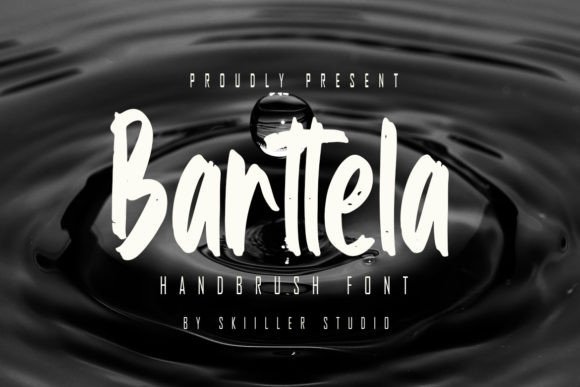
In the world of typography, the choice of a font can significantly influence the visual impact of a design. Barttela is a modern brush display font that stands out with its dynamic and confident aesthetic. Designed to add urban flair and a sense of strength, this font is ideal for headlines, logotypes, and other typographic projects that require a striking visual presence.
One of the key characteristics of Barttela is its brush-like texture, which gives it a handcrafted feel. This quality makes it particularly well-suited for designs that aim to convey energy, creativity, or a contemporary edge. Whether used in digital or print media, Barttela brings a sense of movement and vitality to any composition.
The Unique Characteristics of Barttela
Barttela's design is rooted in the tradition of brush script fonts but has been reimagined for modern use. The font features fluid strokes that mimic the natural flow of a brush, creating a sense of spontaneity and artistic expression. Its letterforms are structured yet expressive, allowing for both readability and visual interest.
Another notable feature of Barttela is its versatility. While it is primarily designed as a display font, it can be adapted for various applications depending on the context. For instance, when used at larger sizes, it excels as a headline or title, drawing attention and setting the tone for a design. At smaller sizes, it can still maintain legibility while adding a touch of personality.
The font also offers a range of stylistic alternates, which allows designers to customize the look and feel of their text. These variations can be used to create unique typographic compositions, making Barttela a valuable tool for those looking to stand out in a competitive design landscape.
Practical Applications of Barttela
Barttela is particularly effective in branding and identity work. Its strong, confident appearance makes it an excellent choice for logos, especially for businesses that want to project a modern and energetic image. Whether it's a tech startup, a fashion brand, or a creative agency, Barttela can help establish a distinct visual identity.
In addition to branding, Barttela is well-suited for editorial and publication design. It can be used in magazine covers, book titles, or section headers to add a visually engaging element. Its brush-like strokes can evoke a sense of artistry and craftsmanship, making it a compelling choice for publications that emphasize creativity or storytelling.
For web designers, Barttela can be used to create eye-catching headlines or call-to-action buttons. When paired with complementary typefaces, it can enhance the overall hierarchy and visual appeal of a website. However, it's important to consider the readability of the font at different screen sizes and ensure that it doesn't compromise the user experience.
Advantages of Using Barttela
One of the main advantages of Barttela is its ability to convey emotion and personality through typography. Unlike more rigid or traditional fonts, Barttela adds a human touch, making it ideal for projects that aim to connect with an audience on a more personal level.
Another benefit is its adaptability across different design mediums. Whether used in print, digital, or motion graphics, Barttela maintains its visual integrity and impact. This flexibility makes it a valuable asset for designers who work across multiple platforms.
Barttela also offers a high level of customization. With access to various weights and styles, designers can fine-tune the font to suit their specific needs. This level of control allows for greater creative freedom and ensures that the final design aligns with the intended message and aesthetic.
Considerations for Using Barttela
While Barttela is a powerful tool, it's important to use it judiciously. Due to its distinctive style, it may not be suitable for all types of projects. For example, in formal or corporate settings, a more restrained font might be more appropriate. Designers should consider the context and audience when deciding whether to use Barttela.
Readability is another factor to keep in mind. Although Barttela is designed to be legible at larger sizes, it may not be ideal for long blocks of text. In such cases, it's best to pair it with a more neutral typeface to ensure clarity and accessibility.
Finally, designers should be aware of the licensing terms associated with Barttela. Depending on the intended use, there may be restrictions on how the font can be distributed or modified. It's essential to review these terms carefully to avoid any legal issues.
How Barttela Stands Out in the Market
In the crowded field of typography, Barttela distinguishes itself through its unique blend of strength and elegance. Unlike many brush fonts that lean too heavily into a casual or playful style, Barttela strikes a balance between artistic expression and professionalism. This makes it a versatile option for a wide range of design projects.
Moreover, Barttela's clean and modern structure sets it apart from older, more ornate brush scripts. Its streamlined approach ensures that it remains relevant in contemporary design trends while still offering a sense of authenticity and character.
Designers who are looking for a font that can elevate their work without overwhelming it will find Barttela to be a compelling choice. Its ability to add visual interest while maintaining a sense of sophistication makes it a valuable addition to any designer's toolkit.
Conclusion
Barttela is more than just a font—it's a design element that can transform the way a message is presented. Its bold, confident style, combined with its versatility and adaptability, makes it a powerful tool for designers across various industries. Whether used in branding, editorial work, or web design, Barttela has the potential to make a lasting impression.
By understanding its strengths and limitations, designers can make informed decisions about when and how to use Barttela effectively. As with any typographic choice, the key is to align the font's characteristics with the goals of the project and the expectations of the audience.