Booge: A Versatile Display Font for Modern Design Needs
Fonts play a crucial role in design, influencing how messages are perceived and experienced by the audience. With so many typefaces available today, choosing the right one can be challenging. Booge is a display font that stands out due to its unique characteristics and broad appeal. Whether you're creating digital content, print materials, or branding assets, understanding what makes Booge distinctive—and when it's the best fit—can help you make more informed design decisions.
What Is Booge?
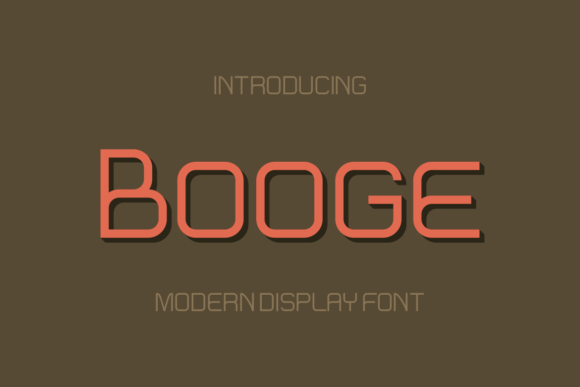
Booge is a modern display font known for its bold personality and clean aesthetic. It blends geometric shapes with subtle organic elements, making it both structured and expressive. The font’s letterforms feature sharp angles and smooth curves, offering a balance between strength and elegance. This duality allows Booge to adapt well to various applications while maintaining visual interest and clarity.
Designed primarily for use in headlines, logos, and short texts, Booge excels where impact matters most. Its large x-height and generous spacing ensure legibility at different sizes, which is essential for effective communication in design projects. Unlike some fonts that rely on excessive embellishments, Booge uses minimalistic detailing to create a strong presence without overwhelming the reader.
Key Features of Booge
- Bold and Confident Style: Booge has a commanding appearance that draws attention quickly, making it ideal for titles and promotional content.
- High Readability: Despite its stylized look, the font maintains excellent readability in short bursts of text, thanks to clear contrast and spacing.
- Modern Aesthetic: The design reflects contemporary trends in typography, appealing to audiences who value fresh and dynamic visuals.
- Customizable Variants: Many versions of Booge include stylistic alternates and weights, allowing designers to tailor the font to specific needs.
Comparing Booge to Other Display Fonts
In the world of display fonts, Booge occupies a unique space. When compared to other popular display styles like serif-based calligraphy fonts or highly decorative scripts, Booge offers a more balanced approach. It avoids the over-the-top flair that can limit usability in professional settings, yet it still retains enough character to feel engaging and creative.
For example, if you're designing a brand identity for a tech startup, Booge could serve as an excellent alternative to traditional sans-serif fonts. While fonts like Helvetica or Arial are versatile and widely used, they often lack the visual punch needed to establish a memorable brand presence. In such cases, Booge provides a compelling middle ground—modern enough for digital spaces but expressive enough to stand out from generic options.
Strengths and Tradeoffs
One of Booge’s greatest strengths is its versatility across media types. It performs well in both digital and print formats, especially when used in high-contrast environments. The font also works effectively in multilingual contexts, supporting a wide range of characters and diacritics, which is important for global design projects.
However, like any display font, Booge is not always the best choice. Its style is optimized for short texts and may not translate well to long paragraphs or body copy. For extended reading, pairing it with a complementary serif or sans-serif font is advisable to maintain readability and reduce visual fatigue.
Another tradeoff involves its boldness. While this trait enhances visibility and impact, it can sometimes clash with softer or minimalist design schemes. Designers should consider the overall tone of their project before deciding whether Booge fits the visual narrative they want to convey.
Best-Fit Situations for Booge
Booge shines in scenarios where a strong typographic statement is required. Here are some common use cases where the font can add real value:
- Branding Projects: From logos to taglines, Booge helps brands communicate confidence and innovation.
- Web Headers and Titles: Its clean structure and bold form make it suitable for website headings, ensuring content is easy to scan and visually striking.
- Print Advertising: Whether it's a magazine spread or a poster, Booge adds energy and focus to key messages.
- Social Media Graphics: With platforms favoring quick visual engagement, Booge can help your posts catch attention faster.
Real-World Examples
Imagine a fashion boutique launching a new line. Traditional serif fonts might feel too classic, while ornate scripts could appear unprofessional. Booge offers a stylish yet approachable solution, aligning with a youthful and modern brand image. Similarly, in editorial design, a lifestyle blog using Booge for section headers can elevate the layout without compromising the flow of content.
For event invitations or packaging designs, Booge can bring a sense of creativity and vibrancy. Its ability to work in both uppercase and lowercase forms gives it flexibility for diverse typographic treatments, from all-caps headlines to more casual text arrangements.
Limitations and Considerations
While Booge is a powerful tool in the designer’s arsenal, it does come with certain limitations. As a display font, it isn’t intended for extensive body text. Attempting to use it in longer passages can lead to reduced readability and a disjointed user experience.
Additionally, because of its distinctiveness, Booge may not pair well with every typeface. It requires thoughtful consideration when selecting complementary fonts to avoid clashing styles. Designers should test combinations in real-world layouts to assess harmony and functionality.
Color usage is another factor. The font’s contrast and weight make it perform best against solid or dark backgrounds. Using it on light or textured surfaces may require additional adjustments to maintain legibility and impact.
When to Choose Booge and When to Look Elsewhere
Choosing the right font depends on the context and goals of your design. If you're aiming to create something that feels bold, confident, and visually engaging, Booge is likely a strong contender. It works particularly well for brands targeting younger demographics or those looking to infuse a sense of movement and energy into their messaging.
On the other hand, if your design leans toward subtlety or professionalism, you might find a more neutral font better suited to your needs. For instance, in legal documents, academic papers, or corporate reports, readability and consistency take precedence over stylistic flair. In these cases, a standard sans-serif or serif font would be more appropriate than Booge.
Practical Comparison Scenarios
- Logo Design: Booge can offer a fresh alternative to traditional logotype fonts. If you’re considering a font like Bebas Neue for its simplicity, Booge provides similar benefits with added texture and depth.
- Poster Design: For event posters or promotional banners, Booge’s bold nature ensures that your message remains prominent. However, if your theme is vintage or retro, a more ornate script or serif font might be a better match.
- Website UI/UX: In web interfaces, Booge is great for hero sections and CTA buttons. But for menus, navigation bars, or body copy, a secondary font with higher legibility should be selected.
How to Use Booge Effectively
To get the most out of Booge, consider the following tips:
- Use Sparingly: Apply Booge only in areas where emphasis is needed. Overusing it can dilute its effectiveness and overwhelm the viewer.
- Pair Thoughtfully: Combine it with a more subdued font for body text or background elements. A good pairing could be a minimalist sans-serif like Montserrat or a refined serif like Lora.
- Test Across Devices: Ensure that Booge renders well on different screen sizes and resolutions. Its boldness can vary depending on the platform, so testing is essential for consistent results.
- Adjust Contrast: Make sure the font stands out against its background. High contrast usually enhances legibility and visual impact.
Designing with Purpose
Typography isn't just about aesthetics—it’s about function. Booge is designed to serve a purpose beyond being pretty; it communicates energy and intention. That said, the best design solutions are those that align with the message and medium. Before finalizing your font selection, ask yourself questions like:
- Is the primary goal to grab attention or to provide information?
- Does the design need to feel formal, playful, or somewhere in between?
- Will the text be read in detail, or will it serve as a headline?
Answering these questions can guide you in determining whether Booge is the right fit or if another option might be better suited for your specific needs.
Evaluating Alternatives
There are many display fonts available, each with its own set of characteristics and use cases. When evaluating alternatives to Booge, consider the following categories:
- Geometric Sans-Serifs: These fonts emphasize clean lines and symmetry. They often have a futuristic or industrial feel. Booge shares some of these traits but adds more visual warmth through its curves.
- Decorative Typefaces: These fonts are rich in detail and style, often used for artistic purposes. Booge offers a lighter, more adaptable version of this category.
- Handwritten Styles: Fonts that mimic handwriting can feel personal and authentic. While Booge isn’t handwritten, it can achieve a similar effect through its organic curves and expressive strokes.
If you're exploring options within the display font family, Booge is worth considering for its balance between formality and creativity. It doesn’t demand a rigid layout to work well, which makes it a flexible choice for many projects.
Final Thoughts on Choosing the Right Font
Font selection is a nuanced part of the design process, requiring both technical knowledge and creative insight. Booge is a modern display font that brings boldness and clarity to visual compositions. Its design is rooted in functionality while embracing contemporary style, making it a valuable addition to any designer’s toolkit.
Ultimately, the decision to use Booge should be based on your project’s requirements and the message you want to convey. By understanding its strengths, limitations, and how it compares to other options, you can choose a font that supports your design goals and resonates with your audience.