Linouto: A Fun and Quirky Display Font That Brings Personality to Your Projects
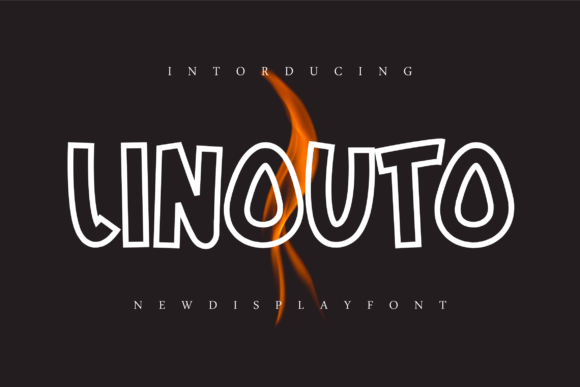
Fonts play a subtle yet powerful role in how we perceive brands, messages, and digital experiences. While sans-serif and serif fonts often dominate the landscape of readability and professionalism, display fonts like Linouto are gaining traction for their ability to inject character and emotion into visual communication. Linouto is a fun and quirky display font that stands out with its playful curves, bold presence, and unique charm—making it ideal for creative projects where personality matters.
What Makes Linouto Special?
Linouto is not just another typeface; it's a design statement. With its whimsical shapes and expressive strokes, this font adds a layer of warmth and creativity to any project it’s used in. Whether you're designing a poster, a website banner, or packaging for a product, Linouto can help you create something memorable without overwhelming the reader.
Display fonts like Linouto are typically reserved for headlines, logos, and short bursts of text rather than long paragraphs. This makes them perfect for attention-grabbing elements where clarity isn't as critical as impact. The key to using such fonts effectively lies in knowing when and how to apply them—something we’ll explore further in this article.
Aesthetic Versatility in Modern Design
The beauty of Linouto is its versatility within the realm of display typography. It works well across different industries and aesthetics, from retro-inspired branding to modern minimalism with a twist. Its quirky nature doesn’t mean it lacks sophistication; instead, it brings a human touch to otherwise clean designs.
In today’s fast-paced digital world, audiences are bombarded with content every second. To stand out, designers and marketers must leverage tools that create emotional resonance. Fonts like Linouto offer that spark by adding a sense of fun and individuality to a brand’s message.
Why Linouto Fits Into Current Creative Trends
Design trends have shifted significantly over the past few years. As users become more discerning about aesthetics, they’re drawn to content that feels authentic and engaging. Linouto taps into this desire by offering a typeface that’s both expressive and approachable.
- Personal Branding: Entrepreneurs and influencers often seek fonts that reflect their unique style. Linouto provides a way to add flair to logos, social media bios, or personal websites.
- Brand Differentiation: In crowded markets, businesses need to carve out their identity quickly. A distinctive display font can be a subtle but effective way to make your brand more recognizable.
- Content Marketing: Bloggers, YouTubers, and podcasters use visual assets to enhance storytelling. Linouto can elevate title cards, thumbnails, or promotional materials with its lively appearance.
Evolution of Typography in Digital Spaces
Typography has evolved beyond being purely functional. Once limited to readability and hierarchy, it now plays a central role in shaping user experience and brand perception. Tools like Adobe Typekit, Google Fonts, and direct font purchases have made it easier than ever to experiment with diverse styles—including quirky display fonts like Linouto.
This shift aligns with broader changes in how we consume information online. People no longer passively read—they engage, scroll, and skim. Typography needs to catch their eye while still conveying the right tone. Linouto achieves this balance by being bold enough to stand out, yet refined enough to maintain credibility.
Practical Applications for Linouto
Let’s look at some real-world examples of how Linouto can be used effectively:
- Logo Design: Startups and small businesses looking to build a friendly, approachable image can benefit from using Linouto in their logo. Its quirkiness helps create a memorable brand mark without sacrificing legibility.
- Event Posters: Whether promoting a music festival, art exhibition, or community gathering, Linouto adds energy and excitement to event visuals. Pair it with complementary fonts for contrast and balance.
- Product Packaging: For products targeting younger demographics or those with a strong lifestyle component, Linouto can bring a sense of fun and creativity to labels and boxes.
- Web Banners and CTAs: On websites and landing pages, headlines using Linouto can guide user attention and evoke curiosity. Just ensure sufficient contrast between the font color and background for accessibility and readability.
Pairing Linouto with Other Fonts
While Linouto shines on its own, pairing it with more neutral or structured fonts enhances its usability. Consider combining it with a clean sans-serif like Montserrat or a classic serif like Merriweather for a balanced typographic palette. This technique allows the quirky nature of Linouto to take center stage while keeping supporting text clear and professional.
Font pairing is an essential skill in modern design. Done right, it creates harmony and guides the viewer’s focus. Linouto’s boldness means it should be used sparingly, but strategically placing it can transform the visual narrative of your project.
Linouto in User Experience and Business Communication
Good typography isn’t just about looks—it also affects user behavior. In marketing and UX design, the right font can influence trust, engagement, and even conversion rates. Linouto may not be suitable for body copy, but when used in call-to-action buttons or hero sections, it can encourage clicks and interaction through its inviting style.
Businesses aiming to foster a sense of community or informality might find Linouto particularly useful. Think of a local café promoting weekend specials or a wellness brand launching a new line of eco-friendly products. These scenarios call for fonts that feel personal and authentic, which is exactly what Linouto delivers.
Accessibility and Readability Considerations
Though display fonts are visually appealing, it’s important to consider their limitations. Linouto is best suited for short texts and decorative elements due to its stylized letterforms. Avoid using it for large blocks of content, especially if your audience includes individuals with dyslexia or visual impairments.
To ensure inclusivity, always pair Linouto with accessible body fonts and maintain proper spacing and sizing. Use it to highlight key phrases or reinforce brand personality, but don’t let it compromise the overall readability of your project.
How to Incorporate Linouto Confidently
If you're considering adding Linouto to your next project, here are a few tips to get the most out of it:
- Start Small: Use Linouto for one headline or title before expanding its use. Test how it looks across devices and screen sizes to ensure consistency.
- Stay Consistent: Maintain a consistent visual theme by limiting the number of display fonts used. Too many can dilute the message and confuse the viewer.
- Use Color Thoughtfully: Choose colors that complement Linouto’s style. Bright, warm tones tend to work well with its playful character, while cooler shades can give it a more sophisticated edge.
- Test with Your Audience: Get feedback early on how the font resonates with your target demographic. If it feels off-brand or distracting, consider alternative options.
Realistic Examples of Linouto in Action
Imagine a food blogger creating a recipe video. Instead of a generic sans-serif font, they choose Linouto for their title card. The result? A headline that feels handcrafted and welcoming, drawing viewers in with its charm. Similarly, a boutique clothing store could use Linouto in their seasonal sale banners to create a lighthearted yet stylish impression.
Another example is a tech startup that wants to soften its image. While most of their site uses a sleek sans-serif, they incorporate Linouto in the tagline section to add a dash of personality and make the brand feel more relatable.
Future-Proofing Your Design Choices
As design trends continue to evolve, staying adaptable is crucial. Linouto represents a current preference for more expressive and emotive typography, but it’s also part of a broader movement toward authenticity in branding and content creation.
With AI-generated design tools becoming more common, there’s a risk of homogenization in visual outputs. Using fonts like Linouto can counteract that trend by introducing a human element that algorithms alone can’t replicate. It’s a reminder that thoughtful design choices matter, even in automated workflows.
Tools and Resources for Working with Linouto
Several platforms allow easy access to Linouto and similar display fonts. Here are a few to explore:
- Fonts.com – Offers a wide selection of high-quality display fonts including Linouto.
- Adobe Fonts – Provides seamless integration with Adobe Creative Cloud apps.
- DAFont – A go-to resource for free and premium display fonts.
Once you’ve downloaded or subscribed to Linouto, install it on your system and test it across different mediums. Make sure it works well in print and digital formats alike, and check for licensing requirements if you plan to use it commercially.
Final Thoughts on Choosing the Right Font
Linouto is more than just a fun and quirky display font—it’s a tool for expressing creativity and building connection. When used thoughtfully, it can enhance the visual appeal of your projects and leave a lasting impression on your audience.
However, the best font choice depends on your specific goals and context. Ask yourself: What emotions do I want to convey? Who is my audience? How does this font support my message? These questions will help you determine whether Linouto is the right fit for your needs.
Remember, great design is about intention and impact. Add Linouto confidently to your next project, and you may just discover a new favorite that helps your work stand out in all the right ways.