Sallafi: Elevating Arabic Typography with Style and Elegance
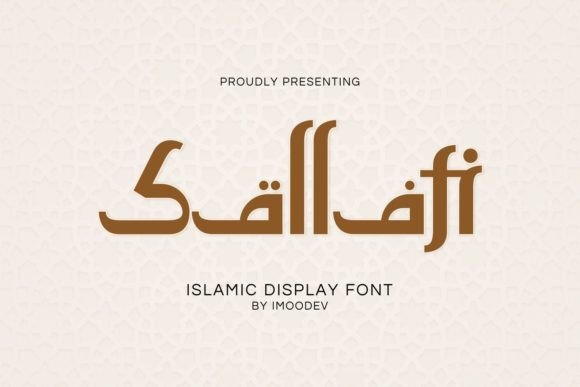
In the world of design, typography plays a crucial role in shaping visual communication. When it comes to Arabic-style fonts, many professionals seek something that not only respects cultural heritage but also meets modern design standards. Enter Sallafi, an elegant and stylish Arabic-style display font that brings sophistication to any creative project. Whether you're designing for print, digital media, branding, or personal expression, Sallafi offers a unique blend of traditional aesthetics and contemporary usability.
What Makes Sallafi Unique?
Sallafi stands out from other Arabic-style fonts due to its clean lines, balanced proportions, and attention to detail. Unlike more ornate scripts that may be difficult to read in large blocks of text, Sallafi is designed as a display font—ideal for headlines, logos, banners, and short impactful phrases. Its refined look makes it suitable for both luxury branding and minimalist design approaches.
The font features carefully crafted ligatures and diacritics, ensuring that each character flows seamlessly into the next. This level of artistry is especially important in Arabic typography, where calligraphic beauty enhances the reading experience. Sallafi captures this essence while maintaining a structure that’s easy to work with in modern design software like Adobe Illustrator, Photoshop, and InDesign.
A Fusion of Tradition and Modernity
Arabic typography has long been celebrated for its intricate patterns and expressive forms. However, with the rise of global digital communication, there's a growing need for fonts that are both culturally authentic and technically versatile. Sallafi bridges this gap by offering a fresh take on classic Arabic lettering. It retains the soul of traditional Arabic script while adapting to the demands of today's visual landscape.
This evolution reflects broader trends in multilingual and multicultural design. As businesses expand their reach across the Middle East and beyond, they require fonts that can convey brand identity authentically to Arabic-speaking audiences. Sallafi provides just that—a tool for designers to communicate elegance without compromising clarity or cultural relevance.
Current Trends in Arabic Typography
Today, Arabic typography is experiencing a renaissance. Designers are increasingly looking for fonts that reflect regional diversity, offer high legibility, and support a wide range of applications—from web interfaces to print materials. The demand for Arabic-style display fonts has grown significantly, driven by the popularity of lifestyle brands, fashion labels, and content creators who want to make a strong visual statement.
- Cultural Authenticity: Brands are leaning into local aesthetics to build trust and connection with their audience. A font like Sallafi helps achieve this by using familiar shapes and forms rooted in Arabic tradition.
- Minimalist Design Movement: Clean and modern designs dominate current trends. Sallafi aligns perfectly with this movement, providing a sophisticated alternative to overly decorative Arabic fonts.
- Global Accessibility: As Arabic becomes more prevalent in international markets, designers must choose fonts that perform well across different platforms and languages. Sallafi is optimized for screen readability and print quality alike.
Why Now? The Rise of Multilingual Branding
The surge in interest for Arabic-style fonts like Sallafi coincides with the increasing importance of multilingual branding. Companies are recognizing that visual elements should resonate with local cultures rather than rely solely on translation. A well-chosen font can evoke emotions, establish credibility, and even influence purchasing decisions.
Moreover, the rise of social media and e-commerce in the Arab world has intensified the need for visually appealing yet functional Arabic typography. Users expect seamless experiences whether browsing a website or scrolling through Instagram. Sallafi delivers a font that looks great on mobile screens and works well in responsive layouts, making it a valuable asset for digital-first projects.
Practical Applications of Sallafi
Sallafi is not just another pretty font—it’s a practical choice for a variety of use cases. Here are some realistic examples of how it can enhance your design projects:
1. Brand Identity and Logo Design
For businesses targeting Arabic-speaking consumers, a logo that uses Sallafi can instantly elevate the brand’s perceived value. Consider a luxury perfume label or a high-end clothing boutique. By incorporating Sallafi into their logo, these brands can showcase their appreciation for Arabic culture while maintaining a sleek and modern image.
2. Editorial and Print Media
Magazines, brochures, and event programs often require eye-catching titles and subheadings. Sallafi’s bold presence and elegant curves make it perfect for such scenarios. It can transform a standard layout into something memorable, especially when used in conjunction with subtle background textures or gold foil accents.
3. Web and Mobile Interfaces
Websites and apps that serve Arabic audiences benefit greatly from thoughtful typography choices. Sallafi can be used for hero sections, buttons, or promotional banners, where its clarity and style ensure user engagement without overwhelming the interface. It pairs well with sans-serif English fonts, creating a harmonious bilingual design.
4. Social Media and Content Creation
Content creators, influencers, and marketers often need fonts that stand out in crowded feeds. Sallafi adds a touch of class to Arabic captions, hashtags, or visual overlays. Its versatility allows it to fit into everything from travel vlogs to fashion photography, enhancing the overall aesthetic appeal.
How to Use Sallafi Effectively
While Sallafi is a powerful tool, it’s important to use it wisely. Display fonts are best suited for short texts, so avoid using them in body copy. Instead, reserve Sallafi for key messages where its visual impact can shine.
- Pair Thoughtfully: Combine Sallafi with complementary fonts to maintain balance. For instance, pair it with a simple sans-serif like Montserrat or Lato for English text to create contrast and hierarchy.
- Use Color and Space: Because Sallafi is a bold and elegant font, it works beautifully with ample white space and rich color palettes. Think deep navy blues, warm golds, or neutral tones to highlight its beauty without clashing.
- Test Across Devices: Ensure that Sallafi renders clearly on all platforms, including desktops, tablets, and smartphones. This step is critical for maintaining consistency in digital branding efforts.
Real-World Inspiration
Many successful brands have embraced Arabic-style display fonts to differentiate themselves. For example, a Dubai-based wellness center recently updated its website using Sallafi for key headings. The result was a fresh, modern look that still felt deeply connected to the region’s heritage. Similarly, a Saudi Arabian startup used Sallafi in their product packaging to emphasize authenticity and craftsmanship.
These real-world applications demonstrate how Sallafi can be integrated into diverse industries. From hospitality to technology, it offers a consistent way to express elegance and cultural pride.
Choosing the Right Font for Your Audience
Fonts are more than just stylistic choices—they’re tools for communication. Selecting the right one depends on understanding your audience’s expectations and the message you want to convey. If your goal is to communicate luxury, heritage, or artistic flair in an Arabic context, Sallafi is an excellent option.
Consider the following factors before implementing Sallafi:
- Target Demographics: Does your audience appreciate traditional aesthetics or prefer something more modern?
- Project Type: Is this for a logo, a website, or a printed brochure? Sallafi excels in high-impact visuals but may not suit every format.
- Brand Voice: Does your brand speak softly and elegantly, or loudly and boldly? Sallafi strikes a perfect middle ground between the two.
Educational and Cultural Relevance
For educators and cultural institutions, typography can play a vital role in storytelling. Sallafi is ideal for museum signage, educational posters, or book covers that aim to engage readers with a sense of history and refinement. Its design encourages a deeper connection with the content, which is essential in fields focused on education and heritage preservation.
Freelancers and hobbyists will also find Sallafi invaluable for personal branding or niche content. Whether you're designing a blog header or crafting custom invitations, the font adds a professional polish that sets your work apart.
Technical Considerations and Licensing
When choosing a font for commercial use, licensing is a key concern. Sallafi is available under various licenses depending on your needs—personal use, small business, or enterprise. Always verify the licensing terms to ensure compliance, especially if you're planning to use it in client projects or mass-produced materials.
Additionally, Sallafi supports a broad range of characters and glyphs, making it adaptable for multiple dialects and linguistic variations. This feature is particularly useful for designers working on pan-Arabic campaigns or multilingual projects.
Integrating Sallafi into Your Workflow
Using Sallafi in your design workflow is straightforward. Most font providers offer downloadable packages compatible with popular design tools. Once installed, you can experiment with layer styles, gradients, and effects to match your project’s mood. For web developers, Sallafi is often available via web font services, allowing for easy integration into websites and online platforms.
One common challenge with Arabic-style fonts is alignment and spacing. Fortunately, Sallafi includes OpenType features that help manage these aspects automatically, reducing the need for manual adjustments and streamlining the design process.
Final Thoughts on Sallafi
Sallafi represents a thoughtful evolution in Arabic-style display typography. Its combination of elegance, functionality, and adaptability makes it a standout choice for professionals seeking to add cultural depth to their designs. As the demand for visually rich and meaningful typography continues to grow, fonts like Sallafi empower creators to meet these expectations with confidence and creativity.
So, whether you're building a brand, editing a magazine, or simply experimenting with new design ideas, consider adding Sallafi to your toolkit. You might just find that it transforms your work in ways you hadn’t anticipated.
Ready to Try Sallafi?
If you're intrigued by the potential of Sallafi, explore font marketplaces and design communities to see where it’s being used and how others are integrating it into their projects. Remember, the best fonts are those that align with your vision and values. With Sallafi, you're not just choosing a font—you're embracing a design philosophy rooted in tradition and tailored for the future.