Toxic Font: A Bold Statement in Urban-Styled Typography
Typography plays a crucial role in visual communication, and with the rise of digital media and branding strategies, the demand for distinctive and impactful fonts has never been higher. Among the latest additions to this evolving landscape is Toxic, a bold, urban-styled display font that captures attention and injects personality into any design. Whether you're a graphic designer, marketer, or content creator, Toxic offers a fresh way to express modernity, energy, and confidence.
What Makes Toxic Unique?
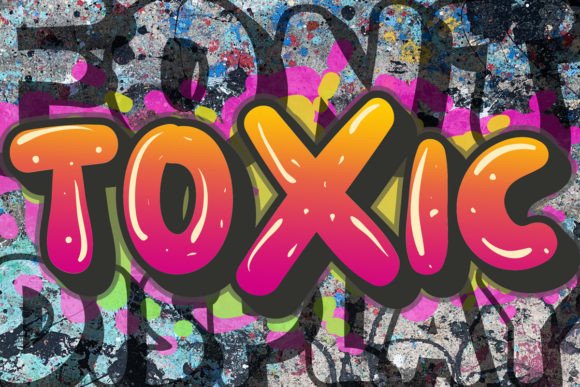
Toxic stands out due to its aggressive yet stylized letterforms, which blend elements of graffiti, street art, and industrial typography. Its jagged edges, uneven strokes, and raw texture give it an unmistakable urban flair. Unlike traditional serif or sans-serif fonts, Toxic is not meant for long-form reading but rather for headlines, logos, posters, and other high-impact applications where visibility and emotional resonance are key.
The font's name itself reflects its character—toxic as in potent, powerful, and potentially disruptive in the best possible way. In today’s fast-paced digital environment, users often scroll through hundreds of visuals per day. Fonts like Toxic help break the noise by delivering a strong first impression that aligns with contemporary aesthetics.
Relevance in Modern Design Practices
Designers are constantly seeking tools that allow them to stand out in crowded markets. Toxic fits perfectly into this need by offering a visually arresting typeface that resonates with younger audiences and niche communities who value authenticity and edge. Its relevance extends beyond just being trendy—it serves as a practical choice for brands looking to communicate strength, rebellion, or innovation without relying on clichéd imagery.
Urban Styling Meets Professional Design
In recent years, there has been a noticeable shift toward more expressive and unconventional fonts across industries—from fashion and music to tech startups and social media campaigns. This trend is fueled by the desire to connect with audiences on a personal level and reflect cultural movements through design. Toxic taps into this movement by providing a tool that bridges the gap between street culture and professional branding.
For instance, a local coffee shop aiming to appeal to a hipster demographic might use Toxic in their logo or signage to evoke a sense of urban coolness and exclusivity. Similarly, a music festival promoting alternative artists can leverage Toxic in promotional materials to create a cohesive and edgy visual identity.
How Toxic Fits Into Current Trends
Several trends make Toxic particularly timely:
- Minimalism with Edge: While clean and minimalist designs dominate many spaces, they’re increasingly paired with bolder typographic choices to add contrast and depth.
- Authentic Branding: Consumers prefer brands that feel real and relatable. Toxic helps convey authenticity through its raw, unpolished look.
- Digital Versatility: The font works well across various platforms, from mobile apps to print materials, adapting to different screen sizes while maintaining its punchy presence.
- Visual Storytelling: As storytelling becomes more visual, especially on platforms like Instagram and TikTok, Toxic allows creators to craft messages that pop and resonate emotionally.
Evolution of Display Fonts in the Digital Age
Display fonts have evolved significantly over the past decade. Initially reserved for print media, they now play a central role in digital marketing, web design, and app interfaces. With the proliferation of high-resolution screens and the growing importance of user experience (UX), designers must balance readability with creativity. Toxic represents a new generation of display fonts that prioritize impact without sacrificing usability in specific contexts.
This evolution is driven by both technological advancements and changing consumer preferences. Today’s audience is visually sophisticated and expects more than just text—they want experiences. Toxic delivers that by transforming words into bold statements that command attention and spark curiosity.
Practical Implications Across Industries
Integrating Toxic into your projects can yield several practical benefits:
- Brand Identity: Use Toxic to reinforce your brand’s personality. If your business is all about pushing boundaries, this font can mirror that ethos.
- Marketing Materials: From billboards to email headers, Toxic adds a dynamic element that makes your message more memorable.
- Content Creation: Bloggers and YouTubers can enhance their thumbnails, titles, and social media posts using Toxic for a more engaging aesthetic.
- Event Promotion: Concerts, festivals, and pop-up events benefit from Toxic’s ability to project energy and excitement at a glance.
Real-World Examples of Toxic in Action
Let’s explore some realistic scenarios where Toxic could elevate a design:
- Logo Design: A skateboard brand might incorporate Toxic into their logo to emphasize speed, rebellion, and youth culture.
- Poster Design: For a concert poster featuring punk rock bands, Toxic can serve as the title font, instantly setting the tone and mood.
- Social Media Graphics: A lifestyle blogger targeting young adults could use Toxic for eye-catching captions in Instagram Stories or cover images.
- Product Packaging: Urban clothing lines or limited-edition items can use Toxic to highlight product names and taglines, creating a sense of urgency and uniqueness.
These examples illustrate how Toxic isn’t just another font—it’s a strategic choice that enhances messaging and aligns with the intended audience’s sensibilities.
Why Now Is the Time to Consider Toxic
As digital competition intensifies, the power of first impressions grows. Toxic is designed to cut through the clutter and deliver a clear message with minimal effort. Its popularity has surged among creatives who understand the value of typography in storytelling and engagement.
Moreover, the rise of remote work and freelance opportunities has led to a boom in independent designers and small studios. These professionals need versatile tools that can adapt to diverse client needs. Toxic offers that flexibility, making it a valuable addition to any creative toolkit.
Choosing the Right Applications for Toxic
While Toxic is undeniably bold, it’s important to consider where it will be most effective. Here are some tips for using it wisely:
- Limit Usage: Reserve Toxic for short phrases or headlines to avoid overwhelming the viewer. Overuse can lead to reduced readability and a cluttered appearance.
- Pair Thoughtfully: Complement Toxic with a more neutral font for body text or secondary information. This creates a balanced hierarchy and ensures clarity.
- Consider Color and Contrast: Toxic thrives when set against contrasting backgrounds. Black on white, neon colors on dark textures, or even monochrome variations can enhance its visual appeal.
- Use Sparingly in Print: Although Toxic works well digitally, printing it on certain surfaces may require careful consideration to maintain its sharpness and impact.
Accessibility and Readability
One common concern with bold display fonts is accessibility. Toxic is no exception. When using it in public-facing content, ensure sufficient contrast and legibility for individuals with visual impairments. While its style is assertive, it should still meet basic standards of inclusivity. Always test your designs on different devices and lighting conditions to confirm that your message remains accessible to all.
Where to Find and How to Use Toxic
If you're interested in adding Toxic to your design projects, you can find it on popular font marketplaces such as Adobe Fonts, Google Fonts, or independent sites like Creative Market and Envato Elements. Before downloading, review licensing details to ensure it fits your usage requirements—especially if you plan to use it commercially.
Once installed, experiment with spacing, color, and layering effects to bring out Toxic’s full potential. Many design software programs like Photoshop, Illustrator, Canva, and Figma support custom fonts and offer tools to tweak their appearance. Don’t be afraid to pair it with textures or gradients to create something truly unique.
Getting Inspired with Toxic
Stuck on how to use Toxic? Look to current trends in urban fashion, music, and entertainment for ideas. Streetwear labels, underground music scenes, and avant-garde art exhibitions often feature similar styles. These sources can provide inspiration for how to integrate Toxic into your own work while staying true to your brand’s voice.
Final Thoughts on Toxic as a Design Tool
Toxic is more than just a font—it’s a design philosophy. It embodies the spirit of modern urban culture and gives creators a powerful tool to express themselves boldly. By understanding its strengths and limitations, you can harness Toxic to make your next project stand out in a meaningful way.
Whether you're crafting a logo, designing a website header, or producing a poster, Toxic has the potential to transform your message into a visual statement. As trends continue to evolve and audiences seek authenticity, fonts like Toxic will remain essential in the creative world.