Warth: A Futuristic Display Font for Modern Design Projects
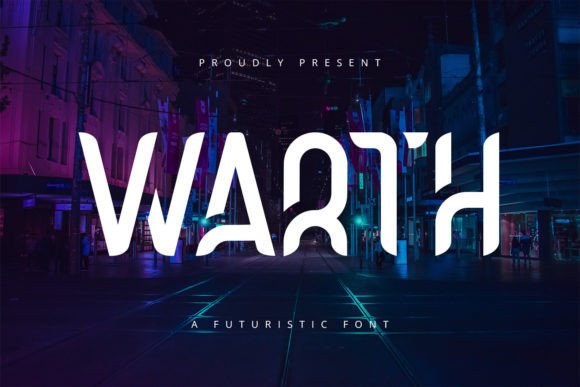
Fonts play a crucial role in design, often serving as the first impression of a brand or message. Among the many options available today, Warth stands out as a versatile and visually striking choice. With its futuristic appeal and sporty edge, Warth is ideal for designers looking to make bold statements across various platforms. Whether you're crafting a logo, designing a poster, or creating packaging for your product, this display font offers the right balance between innovation and readability.
What Makes Warth Unique?
Warth is not just another font—it's a modern typographic solution that blends clean lines with dynamic shapes. The font exudes energy and sophistication, making it perfect for industries like fashion, tech, sports, and entertainment. Its geometric structure and slight angularity give it a contemporary feel, while its strong character outlines ensure it remains legible even at smaller sizes when needed.
Designers are drawn to Warth because it adds a sense of urgency and modernity to their work. It’s especially effective in environments where visual impact is key—such as clothing labels, magazine covers, or event posters. The font works equally well in digital and print formats, adapting seamlessly to different mediums without losing its essence.
Why Choose Warth for Your Branding?
Branding relies heavily on typography to communicate personality and values. Warth helps create a memorable identity by offering a fresh, forward-thinking look. When used correctly, it can elevate your brand's perception and align it with innovation, youthfulness, and high performance.
- It pairs well with minimalist layouts, letting the font do the talking.
- Its versatility makes it suitable for both high-contrast and low-contrast designs.
- Available in multiple weights and styles (if applicable), allowing for creative flexibility.
Common Mistakes When Using Warth
Despite its strengths, using Warth incorrectly can lead to suboptimal results. Here are some common mistakes people make—and how to avoid them:
1. Overusing Warth in Body Text
One of the biggest misconceptions about display fonts is that they should be used everywhere. While Warth looks stunning in headlines or logos, applying it to large blocks of body text can hurt readability. This is particularly important for content-heavy projects like blogs, magazines, or books.
Better approach: Use Warth sparingly—for titles, subtitles, and short impactful phrases. Pair it with a more legible sans-serif or serif font for body copy to maintain clarity and professionalism.
2. Ignoring Color Contrast
Display fonts like Warth rely on strong contrast to stand out. However, many designers overlook the importance of choosing the right color combinations. A poorly chosen background or text color can cause the font to blend in or become illegible.
Example: Placing Warth in light gray over a white background may reduce its visibility and diminish its impact. Instead, use darker shades or vibrant colors to highlight its unique features.
Better approach: Always test Warth against different backgrounds before finalizing a design. Tools like Adobe Color or Coolors can help you find complementary color schemes that enhance the font's presence.
3. Not Checking Licensing Before Downloading
Many users download free versions of Warth without realizing the limitations of those licenses. Some free variants restrict commercial use, which can be problematic if you're designing for clients or selling products online.
Tip: Before downloading or purchasing Warth, review the licensing terms carefully. If you're planning to use it in a professional or commercial context, invest in a proper license to protect yourself from legal issues down the line.
How to Apply Warth Effectively
To truly harness the potential of Warth, consider the following practical tips tailored to different design scenarios:
Logo Design
In logo design, every element must be intentional. Warth can add a sleek, modern touch to a company name or tagline, but it’s essential to ensure it aligns with the brand’s overall identity.
- Test Scalability: Make sure Warth looks sharp and clear when scaled down to small sizes, such as on business cards or app icons.
- Limit Character Customization: Avoid excessive kerning or letter spacing unless it serves a specific aesthetic purpose. Too much tweaking can compromise legibility.
- Use Negative Space: Play with negative space around the Warth typeface to create a balanced and memorable logo layout.
Clothing and Packaging
When using Warth on t-shirts, shopping bags, or product packaging, it’s easy to get carried away with boldness. But remember, too much intensity can overwhelm the viewer and dilute the message.
Real-world example: A fitness apparel brand might use Warth for their logo and promotional materials, but opt for a simpler, lighter version on tags or care instructions to maintain usability and focus.
Pro tip: Consider using Warth in combination with other fonts or decorative elements for added depth. But keep the hierarchy clear—let the most important information take center stage.
Event Posters and Book Covers
Warth is a natural fit for event posters and book covers, where the goal is to grab attention quickly. However, it’s important to ensure that the font doesn’t overshadow supporting details like dates, locations, or author names.
A common mistake is using Warth for all text elements, including fine print. This can confuse viewers and make the design appear cluttered.
Solution: Use Warth for the main headline or title, and pair it with a secondary font for body text or captions. This keeps the design cohesive and functional.
Things to Check Before Committing to Warth
Before integrating Warth into your project, there are several key factors to evaluate:
- Legibility: Ensure the font is readable in the context it will be used. Test it in real-world conditions, such as on screens or printed materials.
- Font Weight Options: Confirm whether the version you’re using includes different weights (e.g., regular, bold, italic) to suit your design needs.
- Platform Compatibility: Verify that Warth works well across devices and operating systems, especially if it’s going to be used online or in digital marketing campaigns.
- Accessibility: Consider accessibility guidelines—some display fonts may be harder to read for users with visual impairments. Provide alternatives if necessary.
Comparing Warth with Other Fonts
While Warth is excellent for certain applications, it's wise to compare it with similar fonts to determine the best fit for your project. For instance, if you need something slightly less aggressive but still modern, you might consider alternatives like Bebas Neue or Montserrat. On the other hand, if you're after a more edgy or graffiti-style appearance, Warth could be just what you need.
Always compare fonts side-by-side in your actual design context rather than relying solely on screenshots or sample texts. What looks good in one setting may not translate well to another.
Learning to Use Warth Like a Pro
If you're new to working with display fonts, here are a few steps to help you master Warth:
- Study Examples: Look up real-world examples of Warth in action. Analyze how professionals have paired it with imagery, spacing, and color.
- Experiment with Layouts: Try placing Warth in different positions within your design. Sometimes, a subtle shift in alignment or size can dramatically improve its effectiveness.
- Balance with Other Elements: Don't let the font dominate the entire composition. Use contrasting elements like images, gradients, or textures to complement it.
Where to Download or Buy Warth
Warth is typically available through reputable font marketplaces like Adobe Fonts, Google Fonts, or private foundries. Always download from trusted sources to avoid corrupted files or unauthorized versions.
Here's a link to an example site where you can explore the font in detail. Before purchasing, check if the package includes web-use rights, desktop use, or app integration—depending on your needs.
Final Thoughts on Choosing and Using Warth
Warth is a powerful tool for designers who want to infuse their work with a modern and energetic vibe. However, success with any font depends on thoughtful application and understanding its limitations. By avoiding common pitfalls like poor color contrast, overuse in body text, or ignoring licensing, you’ll ensure that your designs remain both visually appealing and professionally sound.
Remember, the best font is the one that enhances your message without overpowering it. Warth, when used correctly, can help you achieve that balance. Take the time to test it in your intended environment, and don’t hesitate to combine it with other fonts to build a more complete typographic system.
Whether you're branding a startup, launching a clothing line, or designing for a special event, Warth is worth considering—but always apply it with intention and awareness of your audience’s needs.