Honoka: A Versatile Handmade Display Font for Strategic Design and Branding
Typography plays a pivotal role in visual communication, influencing how audiences perceive your message, brand, or creative project. Among the many fonts available today, Honoka stands out as a uniquely crafted handmade display font that offers both aesthetic appeal and strategic flexibility. With two distinct styles—regular and starry—Honoka allows designers to blend creativity with intentionality across a wide range of applications. Whether you're targeting younger demographics or aiming to elevate your branding efforts, understanding when and how to use this font can significantly enhance your outcomes.
What is Honoka?
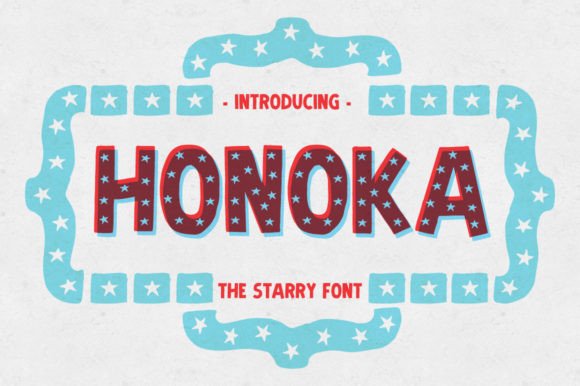
Honoka is a decorative display font characterized by its hand-drawn charm and attention to detail. It comes in two versions: one with a clean, soft character and another featuring subtle star-like accents that add whimsy and visual interest. This dual-style approach makes it adaptable for different design needs, from professional branding to personal creative projects. The font's playful yet elegant nature bridges the gap between casual and refined aesthetics, offering a unique voice that can be tailored to various contexts.
The name "Honoka" evokes warmth and positivity, qualities that resonate well in marketing and branding. Its Japanese origin suggests a cultural richness that can be leveraged creatively, especially in designs aimed at children, teens, or niche markets looking for an exotic flair.
Why Honoka Can Be Strategically Useful
Incorporating Honoka into your design toolkit isn't just about choosing a pretty font—it's about making a strategic decision that aligns with your goals. Here’s why it can be a powerful asset:
- Brand Differentiation: In crowded markets, distinctive typography helps your brand stand out. Honoka's unique style ensures your messaging feels fresh and memorable.
- Targeted Appeal: Its playful tone is particularly effective for content related to kids, teens, hobbies, or lifestyle products, where emotional resonance is key.
- Visual Cohesion: Using both regular and starry styles together creates a harmonious look that supports consistent branding while adding dynamic variety.
- Flexibility Across Media: From digital media like websites and phone wallpapers to print-based materials such as invitations and packaging, Honoka adapts seamlessly.
Strategic Use Cases for Honoka
Knowing when to deploy Honoka depends on understanding your audience and the context of your message. Below are some realistic scenarios where this font can make a difference:
1. Kids and Teens-Oriented Projects
When designing for younger audiences—such as educational materials, toys, or youth events—Honoka brings a sense of fun and imagination. Its handwritten feel mimics creativity and playfulness, which can engage children more effectively than rigid, formal fonts. For instance, using the starry version on a birthday invitation can evoke a sense of magic and excitement.
2. Scrapbooking and Personalized Creations
Scrapbooking often requires a balance between artistic expression and readability. Honoka’s delicate curves and optional starry embellishments let you craft visually appealing layouts without compromising clarity. Think of it as a tool to infuse personality into your pages, whether you're documenting family memories or creating custom greeting cards.
3. Branding and Logo Development
For startups or small businesses targeting a youthful demographic, Honoka can serve as a core element of their brand identity. Consider a boutique selling handmade jewelry or a café specializing in kid-friendly snacks—both can benefit from the font’s warm and inviting appearance. However, it's crucial to ensure that the font complements the overall brand strategy rather than clashing with it.
4. Digital Media and Website Design
In web design, Honoka works best for headlines, banners, and call-to-action buttons. While it may not be suitable for large blocks of text due to its decorative nature, it excels in drawing attention and setting the tone. When used thoughtfully, it can guide user interaction and reinforce the emotional intent behind your content.
5. Merchandise and Apparel
Custom merchandise such as T-shirts, mugs, and tote bags can become more appealing with the right typography. Honoka’s gentle curves and optional sparkle make it ideal for slogans or product names that aim to capture attention and inspire connection. Just be mindful of legibility on smaller items or from a distance.
6. Event Invitations and Packaging
Whether you're sending out wedding invitations or designing gift boxes for a seasonal collection, Honoka adds a touch of elegance and charm. The starry version is especially effective for holiday-themed packaging or special event announcements, helping to create an immersive experience for the recipient.
Planning Thoughtful Typography Integration
To get the most out of Honoka, integrate it with a clear plan. Start by defining the purpose of each design element. Ask yourself:
- Who is the intended audience?
- What emotions or reactions am I trying to elicit?
- How does this font fit into my broader design and branding strategy?
Once you have answers to these questions, consider how Honoka might support them. For example, if your goal is to build a brand around creativity and joy, pairing Honoka with a simpler sans-serif font in body text could help maintain readability while still showcasing your unique style.
Design Tips for Maximum Impact
- Use Sparingly: Decorative fonts like Honoka should be reserved for key elements such as headers, logos, or titles. Overuse can lead to visual clutter and reduce effectiveness.
- Contrast Matters: Pair Honoka with solid background colors or textures that highlight its features. Light pastels or metallic shades often work well with its soft, organic lines.
- Test Legibility: Before finalizing a design, check how readable Honoka is in different sizes and formats. Especially for digital use, ensure it doesn’t lose clarity on mobile screens.
- Consider Cultural Nuances: Given its Japanese roots, Honoka can subtly convey themes of tradition, artistry, or modernity depending on the context. Use this to your advantage when positioning your brand or product.
Long-Term Value and Decision-Making Guidance
Choosing a font like Honoka is part of a larger conversation about visual identity and long-term brand consistency. Here’s how to think strategically about its use over time:
Align with Your Visual Identity
Honoka should only be adopted if it aligns with your brand’s personality. If your business is serious and corporate, this font may not be appropriate. However, if you’re building a brand centered around creativity, community, or lightheartedness, Honoka could be a perfect match.
Future-Proof Your Designs
While trends come and go, thoughtful typography choices can remain relevant for years. Because Honoka is versatile and timeless in its handmade quality, it has the potential to age gracefully in your portfolio. Always choose fonts based on lasting value rather than fleeting popularity.
Support Operational Efficiency
From a productivity standpoint, having a font that works across multiple platforms (print and digital) reduces the need for constant rework. This efficiency allows you to focus more on other aspects of your project or business, ensuring better results with less wasted effort.
Risks of Using Honoka Without Clear Goals
Despite its versatility, using Honoka randomly can backfire. If deployed without a clear purpose or understanding of its impact, it may confuse your audience or dilute your message. Some common pitfalls include:
- Using it in small text where it becomes hard to read.
- Pairing it with similarly styled fonts that don’t complement it.
- Applying it in situations where professionalism is required, such as legal documents or financial reports.
- Overloading a design with too many variations of the font, leading to inconsistency.
These issues highlight the importance of using Honoka intentionally. It’s not just about what looks good; it’s about what communicates effectively and serves your objectives.
Practical Examples of Honoka in Action
Let’s explore a few real-world examples of how Honoka can be used strategically:
Example 1: Educational App Interface
An app designed for elementary students learning languages might use the regular style of Honoka for section headers and interactive prompts. The font’s friendly and engaging look encourages young users to interact more positively with the content.
Example 2: Retail Store Packaging
A local store selling handmade crafts could use the starry variant on gift tags and product labels to evoke a sense of wonder and craftsmanship. This subtle detail enhances the customer experience and reinforces the brand’s creative ethos.
Example 3: Social Media Content
On Instagram or Pinterest, marketers can leverage Honoka in post titles or quote overlays. The font’s visual warmth helps content feel more relatable and shareable, supporting engagement and growth strategies.
Conclusion
Honoka is more than just a decorative typeface—it’s a strategic design choice that can enhance communication, improve brand perception, and boost engagement when used correctly. By understanding its strengths and limitations, you can apply it in ways that reflect your goals and resonate with your audience. As with any typographic decision, the key is to use it intentionally, ensuring every design element contributes to a cohesive and impactful message.