Ronald Bramasta: A Playful Display Font for Creative Projects
Typography is more than just letters on a page—it's a visual language that communicates tone, emotion, and personality. When you're looking to add charm and character to your design work, choosing the right typeface can make all the difference. Enter Ronald Bramasta, a versatile display font that blends cuteness with playfulness while maintaining a clean, modern feel. Whether you’re crafting greeting cards, designing social media graphics, or working on branding materials, this font brings a unique flair that stands out without overwhelming the message.
The Visual Charm of Ronald Bramasta
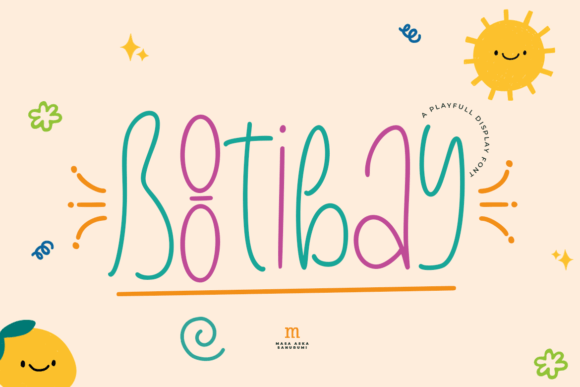
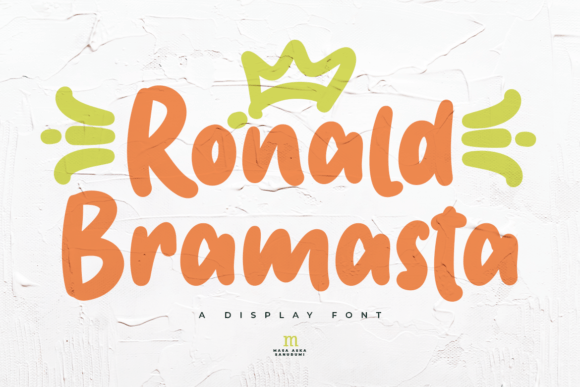
Ronald Bramasta is a handwritten-style display font that exudes warmth and approachability. Its curves are smooth yet deliberate, giving it a balance between spontaneity and structure. The letterforms have a slight bounce in them—think of how a child might write with joy and energy. This gives the typeface a youthful vibe without making it look childish, which is ideal for audiences who appreciate creativity but still want professionalism.
What sets Ronald Bramasta apart is its versatility within a playful framework. It’s not just a whimsical script; it’s designed with enough clarity and consistency to function well in both short and longer texts. The spacing is generous, the strokes are even, and the characters maintain their legibility even at smaller sizes—though it truly shines when used as a headline or title.
As a creative font, it supports multiple weights and styles, allowing designers to build contrast and hierarchy within layouts. From bold statements to subtle accents, Ronald Bramasta adapts beautifully, making it a valuable addition to any designer's toolkit.
A Font That Speaks to Your Brand’s Personality
In the world of brand identity, fonts serve as silent ambassadors of style and tone. If your brand is fun-loving, creative, or family-oriented, Ronald Bramasta could be the perfect match. Its organic feel adds a human touch to digital and print projects alike, helping brands connect emotionally with their audience.
For instance, a boutique selling handmade toys might use Ronald Bramasta in their logo and packaging design to reflect a sense of playfulness and care. Similarly, a lifestyle blog focused on wellness and mindfulness could leverage the font to create friendly, inviting headlines that encourage engagement without feeling too formal.
Where Ronald Bramasta Works Best
Display fonts like Ronald Bramasta are typically reserved for headlines, titles, and decorative elements rather than body text. But thanks to its clear structure and consistent rhythm, it can also perform admirably in certain editorial contexts, especially when paired with a solid sans serif or serif companion font.
- Greeting Cards: With its warm and expressive nature, Ronald Bramasta adds a personal touch to birthday, thank-you, and holiday cards. It feels handcrafted, making recipients feel seen and appreciated.
- Social Media Graphics: Use it for catchy captions, promotional banners, or branded posts. Its eye-catching style helps content stand out in crowded feeds.
- Logo Design: Ideal for startups, small businesses, or creative agencies aiming to project a fresh and engaging image.
- Packaging Design: Great for product labels, gift boxes, and retail packaging where visual appeal and memorability are key.
- Editorial Design: Use it for pull quotes, section headers, or magazine covers to inject personality into publications.
- Web Design: Employ it for hero sections, call-to-action buttons, or headings to enhance user experience with a lively aesthetic.
One of the best parts about using Ronald Bramasta in your creative projects is how easily it integrates with other design assets. Because of its balanced proportions and friendly appearance, it pairs well with minimalist backgrounds, watercolor textures, or soft gradients. Just be sure to test it in context to ensure it complements your overall color scheme and layout.
Design Observations from Real-World Use
I’ve personally used Ronald Bramasta in several client projects, and it consistently delivers. In one case, a children’s book publisher wanted a cover that felt welcoming and imaginative. We used Ronald Bramasta for the title and a simple sans serif for the byline. The result was a harmonious blend of creativity and clarity that resonated with parents and kids alike.
Another example comes from a local café rebranding their menu board. They needed something that felt handwritten but wasn’t messy. Ronald Bramasta provided that sweet spot—its characters had enough variation to appear natural, yet they remained structured enough to avoid confusion. The customers responded positively, and the new design helped reinforce the café’s cozy, artisanal vibe.
How to Choose and Use Ronald Bramasta Effectively
Selecting the right font is about understanding your project’s goals and audience. Ronald Bramasta isn’t a one-size-fits-all solution, but when used appropriately, it can elevate your design in meaningful ways. Here are some tips to help you evaluate whether it’s the right fit:
- Evaluate Project Fit: Ask yourself if the tone of your project aligns with the font’s personality. Does it need to feel cute, fun, or youthful? If yes, Ronald Bramasta may be a good choice.
- Test Font Pairings: Try pairing Ronald Bramasta with a clean sans serif (like Montserrat or Open Sans) for body text or with a modern serif (such as Merriweather or Lora) for a more elegant look. The contrast helps guide the reader’s eye and enhances readability.
- Review Included Styles: Most premium font packages include various weights and alternate characters. Check what styles come with Ronald Bramasta so you can fully utilize its potential in your designs.
- Consider Readability: While it’s great for headlines, avoid using it for long paragraphs unless it’s part of a larger typographic system. Always preview it at different sizes and distances to ensure it remains legible.
- Understand Commercial Licensing: Before deploying the font in professional or commercial work, confirm that your license allows for such use. Many display fonts require a commercial license for web or app deployment, advertising, or merchandise printing.
When it comes to font pairing, the key is to find a balance between the playful and the practical. Too much whimsy can distract from your message, but just the right amount can make your content more memorable. I recommend using Ronald Bramasta sparingly—at most two or three times per page—for maximum impact.
Boosting Audience Engagement with Typography
Fonts influence more than aesthetics—they affect how people perceive and interact with your content. Studies show that modern typography with a distinct personality can increase user engagement by up to 30% in digital spaces. Ronald Bramasta taps into this by creating a sense of familiarity and friendliness.
Its visual hierarchy is another strong point. Because each letter has a slightly different weight and flow, it naturally draws attention. This makes it an excellent option for headlines in marketing campaigns or editorial spreads where you want to highlight key phrases without shouting.
From a brand perception standpoint, using a font like Ronald Bramasta can subtly signal to your audience that your brand is approachable, innovative, and in tune with current design trends. It doesn’t scream “playful,” but it whispers it in a way that’s hard to ignore.
Why Designers and Marketers Love Ronald Bramasta
Designers often seek typefaces that offer both flexibility and character. Ronald Bramasta fits that bill perfectly. It’s not just a pretty face—it’s a tool that can shape the mood of your design. And for marketers, that kind of emotional resonance is invaluable.
Let’s say you’re launching a new line of stationery. You want your packaging to feel personal and hand-crafted. Ronald Bramasta can do exactly that. It conveys authenticity and charm, which are essential in niche markets like crafts or lifestyle products.
Even in digital environments, where minimalism often dominates, Ronald Bramasta can break through the noise. Used in a limited capacity, it adds a layer of interest that encourages users to linger on your site or scroll further through your feed.
Practical Recommendations for Using Ronald Bramasta
Here’s how to get the most out of Ronald Bramasta across different platforms:
- Print Projects: Use it in invitations, posters, or brochures where a hand-drawn feel is desired. Make sure to choose high-resolution formats to preserve its detail.
- Digital Projects: Apply it to website headers, mobile app screens, or email subject lines. Be mindful of screen size and background contrast to maintain legibility.
- Personal Creations: For hobbyists and crafters, it’s perfect for scrapbooking, custom art prints, or DIY home décor. The font’s warmth and uniqueness can turn a simple project into a standout piece.
- Commercial Work: Ensure you have the proper license for any paid use, especially if you plan to distribute it online or on physical products.
If you’re unsure whether Ronald Bramasta is the right choice, start by testing it in mockups. See how it looks alongside your brand colors, imagery, and supporting text. Sometimes a font that looks great in isolation doesn’t hold up in a full design context. Let your instincts and your audience’s needs guide the decision.
Final Thoughts on Integrating Ronald Bramasta Into Your Workflow
Choosing the right premium font is an investment—not just in time, but in the perception of your work. Ronald Bramasta offers a rare combination of cuteness and clarity, making it suitable for both personal and professional use. Its playful spirit brings life to static layouts, while its structural integrity ensures it doesn’t lose its professionalism.
Whether you're designing a logo for a startup or adding a bit of personality to a blog post, Ronald Bramasta can help you strike the right tone. It’s not the only font in its category, but it’s one of the few that manages to balance fun with functionality so seamlessly.
So next time you’re brainstorming a design concept, consider reaching for Ronald Bramasta. You might just find that it’s the missing piece your project needed to feel complete—and a little more unforgettable.