Helix: A Bold and Uncommon Geometric Typeface for Modern Design
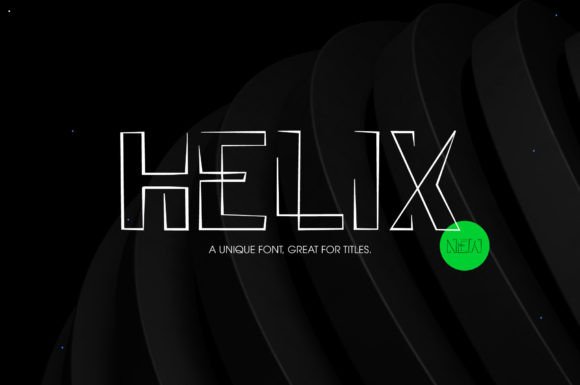
In the world of typography, choosing the right font can make all the difference in how your message is perceived. Helix is a single-line display typeface that stands out with its unique geometric structure and dynamic visual appeal. Designed to capture attention at first glance, it brings a modern and artistic flair to any design project. Whether you're creating posters, headlines, social media content, or packaging, Helix offers a versatile yet striking solution.
What Makes Helix Unique?
Helix combines clean, structured geometry with fluid motion, making it an excellent choice for designers who want to add personality without sacrificing clarity. Its single-line construction gives it a minimalist base while the subtle curves and angular forms introduce an element of intrigue. Unlike traditional fonts that rely on symmetry alone, Helix uses asymmetry and rhythm to guide the viewer’s eye and create a memorable impression.
Why Choose Helix Over Other Display Typefaces?
- Uncommon Aesthetic: With its bold character shapes and unconventional balance, Helix isn't just another font—it's a statement. It breaks away from the norm and introduces a fresh perspective into your design work.
- Geometric Precision: The typeface is rooted in geometric principles, which makes it ideal for projects that require a sense of order and structure but also want to stand out visually.
- Ready to Use: Fully kerned and optimized for immediate use, Helix doesn’t require additional tweaking or adjustments, saving you time during the design process.
Challenges Solved by Helix
Designers often face the challenge of standing out in a crowded market. In editorials, branding materials, or digital platforms, using a common sans-serif or serif font can lead to a lack of originality. Helix helps overcome this by offering a distinctive look that aligns with contemporary design trends while maintaining readability in key applications.
Another common issue is matching a font to a specific tone or mood. While many display typefaces lean heavily toward either elegance or edginess, Helix strikes a balance between the two. It has enough structure to feel professional but enough character to evoke creativity and movement.
Who Can Benefit from Using Helix?
Helix is especially useful for professionals in the following fields:
- Graphic Designers: Looking to create impactful visuals for clients? Helix adds a touch of innovation to logos, brochures, and promotional materials.
- Editorial Designers: Want to enhance the visual hierarchy of a magazine layout or website header? Helix provides strong contrast and visual interest without overwhelming the content.
- Marketing Professionals: Need a font that commands attention on billboards or social media ads? Helix’s boldness ensures your message won’t be missed.
- Brand Developers: Crafting a new brand identity requires a font that reflects uniqueness and forward-thinking values—something Helix delivers effortlessly.
Practical Applications of Helix
The versatility of Helix allows it to be used across a wide range of mediums. Here are some practical examples where it shines:
- Posters and Billboards: Its high contrast and bold lines ensure visibility even from a distance, making it perfect for large-format print.
- Headlines and Titles: When used as a headline, Helix adds drama and emphasis. It works particularly well when paired with a more subdued body text for contrast.
- Social Media Graphics: In fast-paced digital environments, Helix helps content pop. It’s great for Instagram posts, Twitter banners, and Facebook covers.
- Packaging and Branding: Helix can be applied creatively to product labels, boxes, and other branded materials, helping products stand out on shelves or online stores.
- Editorial Work: From magazine covers to feature titles, Helix brings a modern edge that complements photography and illustration-based layouts.
How to Use Helix Effectively
To get the most out of Helix, consider these best practices:
- Pair It Wisely: Since Helix is a display font, it should typically be used alongside a more neutral or readable font for body copy. Pairing it with a classic serif or a minimalist sans-serif can highlight its strengths without causing visual fatigue.
- Use Sparingly: Because of its intensity, Helix is best suited for short texts rather than long paragraphs. Save it for headlines, pull quotes, or call-to-action buttons.
- Play with Scale: Experiment with different sizes to see how Helix interacts with other elements. It can anchor a composition when used large or become a subtle accent when sized down.
- Consider Color and Contrast: Helix’s bold lines respond well to color treatments. Try using it in monochrome for a sleek look or in vibrant tones for maximum impact.
Real-World Examples and Outcomes
Imagine a music festival poster needing a title that screams energy and movement. Traditional fonts might fall flat, but Helix brings a kinetic quality that matches the vibe of live performances. Similarly, a luxury fashion brand launching a new line could use Helix to emphasize a bold, avant-garde direction, pairing it with elegant script or serif fonts for a balanced look.
For editorial designers, Helix can transform a standard magazine layout into something visually engaging. A travel magazine cover featuring a city skyline might benefit from the font’s architectural feel, reinforcing the theme of urban exploration. Or a food blog post could use Helix to highlight a recipe name, drawing readers in with its eye-catching form.
On social media, Helix is a go-to option for brands wanting to cut through the noise. A fitness influencer promoting a new program might use it for a motivational quote in a carousel post, ensuring the text remains legible and powerful. For tech startups aiming to showcase innovation, Helix can lend a futuristic edge to their announcements and infographics.
Helix in Packaging Design
When it comes to product packaging, standing out is crucial. Helix’s geometric nature can be used to highlight key features like product names or taglines. For example, a craft beer label could use Helix for the brand name to suggest bold flavors and a creative brewing process. In beauty packaging, it might be used to denote a limited edition or special collection, giving the product a premium feel.
Getting Started with Helix
Implementing Helix into your workflow is straightforward thanks to its fully kerned design. Once installed, it’s ready to use immediately, so there’s no need for extra configuration. This makes it a favorite among those who value efficiency and don’t have time for trial-and-error font adjustments.
Here’s how to start using Helix effectively:
- Define Your Purpose: Ask yourself what you want Helix to communicate. Is it boldness, innovation, or minimalism? Clarifying your goal will help you use the font more intentionally.
- Test Different Contexts: Try Helix in various formats—print, web, mobile—to see how it adapts. Sometimes, the same font looks differently depending on the medium.
- Balance with Other Elements: Don’t let Helix dominate every part of your design. Use it strategically to complement images, colors, and other typographic choices.
- Stay Consistent: If you decide to use Helix in multiple parts of a project (like a poster and its accompanying website), maintain consistency in styling and placement for a cohesive look.
Considerations Before Choosing Helix
While Helix is a powerful tool, it’s not always the right fit. Consider the following before deciding to incorporate it into your design:
- Readability Concerns: As a display font, Helix may not be suitable for body text. Ensure it’s only used in contexts where legibility isn’t compromised by size or spacing.
- Tone Matching: Does the tone of Helix align with your brand or message? Its bold and geometric style works well for modern, edgy, or artistic themes but may clash with more traditional or conservative aesthetics.
- Accessibility: Always test your designs with accessibility tools to ensure that Helix doesn’t hinder readability for users with visual impairments. Proper contrast and sizing are essential.
- File Size and Performance: If you’re working on a website or app, be mindful of the font file size. Optimize usage to avoid performance issues, especially if Helix is being loaded dynamically.
Different Approaches for Different Users
Designers come from diverse backgrounds and have varying needs. A freelance designer might prefer Helix for its uniqueness and ease of use, while a corporate art director could appreciate how it reinforces a brand’s innovative image. Here’s how different users might approach Helix:
- Creative Agencies: Might integrate Helix into a broader typographic system, using it for key visual moments like client presentations or campaign teasers.
- Freelancers: Could leverage Helix to differentiate their portfolio pieces or personal branding, adding a signature style to their work.
- Beginner Designers: May find Helix to be an accessible entry point into using display fonts creatively, thanks to its intuitive kerning and clear structure.
- Developers: Should evaluate Helix for web use based on compatibility and loading speed, perhaps using variable weights or subsets for better performance.
Final Thoughts
Typography is more than just choosing a pretty font—it’s about finding the right voice for your message. Helix offers that rare combination of form and function, allowing you to express bold ideas with clarity and confidence. Whether you're designing for print or digital, editorial or marketing, Helix can elevate your work and give it a modern twist.
If you're looking for a typeface that goes beyond the ordinary and brings a geometric punch to your designs, then Helix is worth exploring. Its thoughtful construction, coupled with a distinctive visual language, makes it a valuable addition to any designer’s toolkit. So why settle for the familiar when you can command attention with something truly unique?