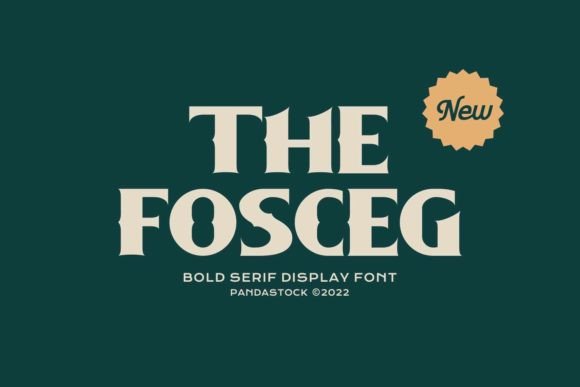
The Fosceg: A Bold Choice for Modern Design
Fonts play a critical role in visual communication, shaping how messages are perceived and remembered. In the ever-evolving world of typography, The Fosceg stands out as a display font that brings both personality and professionalism to the table. Whether you're designing marketing materials, creating digital content, or enhancing branding assets, The Fosceg offers a fresh take on modern aesthetics while maintaining readability and versatility.
What Is The Fosceg?
The Fosceg is a contemporary display font designed to capture attention and convey style without sacrificing clarity. It blends sharp edges with fluid curves, making it ideal for headlines, logos, posters, and other design elements where impact matters most. Unlike many fonts that lean too heavily into either minimalism or maximalism, The Fosceg strikes a balance—offering enough character to stand out yet remaining functional enough to be understood at a glance.
Display fonts like The Fosceg are typically not used for body text but shine when it comes to titles, banners, and promotional material. Its unique structure allows it to adapt well across different media, from print to digital screens, ensuring your message remains visually compelling wherever it appears.
Key Characteristics and Strengths
The Fosceg boasts several features that make it a standout addition to any designer’s toolkit:
- Modern Aesthetic: With its sleek, geometric forms and clean lines, The Fosceg exudes a sense of innovation and forward-thinking design.
- High Readability: Despite being a bold display font, it maintains excellent legibility, especially in larger sizes.
- Versatile Style: Its neutral tone makes it suitable for a wide range of industries—from tech startups to luxury brands.
- Customizable Weight and Slant: Depending on the version available, users can choose from various weights and slants to match their specific design needs.
One of The Fosceg's most notable qualities is its ability to maintain visual harmony even when paired with more traditional or minimalist fonts. This makes it an excellent choice for layered designs or multi-font layouts that require contrast without clashing.
Why Designers Should Consider The Fosceg
In a competitive design landscape, having a font that can differentiate your work is essential. The Fosceg provides just that edge. It’s not just about looking good—it’s about communicating effectively through visual hierarchy and style. When used correctly, it enhances the user experience by guiding the viewer’s eye toward key information, whether in a presentation slide, a website header, or a social media graphic.
Real-World Applications of The Fosceg
The Fosceg is more than just a pretty face; it’s a practical tool that can be applied in numerous ways. Here are some realistic use cases across different domains:
Personal Projects and Creativity
For hobbyists and personal creatives, The Fosceg can elevate everything from handmade greeting cards to custom artwork. Its bold presence adds a touch of sophistication to DIY projects, helping them feel more polished and professional. Artists often use display fonts like The Fosceg to frame their work or add a signature title that reflects their brand or mood.
Professional Branding and Marketing
Entrepreneurs and marketers can benefit greatly from The Fosceg when crafting brand identities. It works exceptionally well in logo design, particularly for companies that want to project confidence and modernity. Startups in the tech or fashion industries have successfully used similar fonts to establish a strong first impression and reinforce their brand messaging.
Consider using The Fosceg in promotional campaigns, such as event flyers or product packaging. Its ability to draw attention can increase engagement and help your message cut through the noise in a crowded marketplace.
Digital Content and Web Design
In web design, The Fosceg can serve as a powerful headline font. It pairs well with sans-serif or serif base fonts, creating a balanced and dynamic layout. Bloggers and content creators might find it useful for article titles, infographics, or even podcast thumbnails where a strong visual hook is necessary.
Its performance on digital platforms is also worth noting. The Fosceg renders clearly on mobile devices and high-resolution monitors, which is crucial for ensuring consistent branding across all channels. For those building portfolios or landing pages, this font can enhance the overall look and feel, giving visitors a sense of professionalism and creativity right from the start.
Education and Presentations
Educators and presenters can use The Fosceg to make slides more engaging. While it may not be appropriate for dense paragraphs, it excels at highlighting key points, headings, and visual cues. A teacher might use it in a PowerPoint deck to emphasize learning objectives, while a corporate trainer could incorporate it into training materials for a more dynamic and memorable experience.
Benefits of Using The Fosceg
Choosing The Fosceg over generic alternatives can yield multiple benefits depending on your goals. Let’s break down a few key advantages:
- Enhanced Visual Communication: The Fosceg helps designers create stronger visual hierarchies, making important content immediately noticeable.
- Increased Engagement: Its bold and modern look naturally draws the eye, encouraging viewers to interact with the content or design.
- Improved Brand Consistency: As part of a cohesive brand identity, The Fosceg can reinforce a company’s image and values across all touchpoints.
- Time Efficiency: Because of its clear structure and versatility, it reduces the need to test multiple fonts during the design process, saving valuable time.
- Adaptability: The Fosceg works well in both black-and-white and color environments, making it a flexible option for various printing and digital needs.
These benefits highlight why The Fosceg is a smart investment for professionals who rely on typography to communicate ideas effectively. It doesn’t just look good—it does good work in the background too.
Case Study: The Fosceg in Action
A local coffee shop recently rebranded using The Fosceg as the primary font for its signage and packaging. Before the change, the branding felt outdated and lacked a clear identity. After switching to The Fosceg, the shop saw a noticeable uptick in customer engagement, with many patrons commenting on the new, modern vibe. The font helped align the brand’s visual language with its mission of offering a premium, contemporary café experience.
This example illustrates how a thoughtful font choice can influence perception and drive real-world results. The Fosceg added a level of sophistication that resonated with the target audience, proving that typography isn't just about looks—it's about connection.
Practical Tips for Selecting and Using The Fosceg
While The Fosceg is undeniably versatile, there are a few considerations to keep in mind before implementing it in your projects:
- Test Different Sizes: Display fonts like The Fosceg can lose their charm if scaled improperly. Always preview it at the intended size before finalizing your design.
- Pair Thoughtfully: Choose complementary fonts for body text that don’t compete with The Fosceg’s boldness. Sans-serif options like Helvetica or Open Sans often work well.
- Use Sparingly: Because it’s a display font, overusing The Fosceg can lead to visual fatigue. Reserve it for headlines, call-to-action buttons, and key branding elements.
- Check Licensing: Ensure that the version of The Fosceg you’re using is properly licensed for commercial or personal use, depending on your project.
- Consider Context: Evaluate whether the tone of The Fosceg matches your content. It’s great for energetic, confident messaging but may not fit every brand voice.
When Not to Use The Fosceg
Although The Fosceg is incredibly useful in many scenarios, it's not always the best choice. Avoid using it in situations that require long-form reading, such as eBooks, lengthy reports, or body text in websites. In these cases, prioritize readability with more standard typefaces. Additionally, it may not suit formal or traditional settings, like legal documents or academic papers, where a classic font conveys authority better.
How to Get Started with The Fosceg
If you’re ready to explore what The Fosceg can do for your next project, here are a few steps to get you going:
- Find a Reliable Source: Look for The Fosceg on trusted font marketplaces or directly from the designer’s site to ensure quality and licensing compliance.
- Install and Preview: Once downloaded, install the font on your system and test it in various applications (e.g., Canva, Adobe Illustrator, or Google Fonts) to see how it performs.
- Create Mockups: Use The Fosceg in mockups to visualize how it fits within your existing design framework. Adjust spacing, color, and alignment as needed.
- Gather Feedback: Show the font to colleagues, clients, or focus groups to gauge reactions and determine if it aligns with your goals.
- Integrate Strategically: Apply The Fosceg only where it will have the most impact, avoiding unnecessary repetition that could dilute its effect.
By following these steps, you’ll ensure that The Fosceg becomes a meaningful asset rather than a superficial addition to your design workflow.
Final Thoughts
The Fosceg is more than just another font—it’s a strategic design element that can shape how audiences perceive your message. From branding to digital content, its modern flair and functional design make it a valuable tool in the hands of professionals and creatives alike. When chosen thoughtfully and implemented correctly, it has the power to transform ordinary visuals into extraordinary ones.
If you haven’t already explored The Fosceg, now is the perfect time to give it a try. Whether you're launching a new brand, redesigning a website, or simply looking to upgrade your creative toolkit, this font offers the kind of visual punch that can set your work apart in today’s fast-paced, visually driven world.